There is something profoundly unique about becoming a parent to a medically complex child.
Parenthood, which you may have spent years imagining, suddenly takes on a different dimension. The hopes, expectations, and dreams you once held for your child are now accompanied by medical uncertainty, appointments, treatments, and questions that don’t always have answers.
I know this experience personally.

When my son was diagnosed with cystic fibrosis (CF) at 6 days old, I found myself navigating a world I hadn’t anticipated.
I had envisioned motherhood in so many ways, but I hadn’t envisioned the medical complexities that would become part of our lives. His diagnosis brought a kind of uncertainty I had never experienced before.
I wanted to know what his future would look like, what his disease would mean for his childhood, and what I could expect as his mother. Yet, the answers I wanted weren’t always available.
I found myself navigating emotions that were difficult to articulate to the people around me. I wasn’t sorry that my son had been born. I wasn’t sorry that I was his mother. I was incredibly grateful for him. What broke parts of me was knowing that his life would involve medical challenges that I couldn’t take away.
I didn’t want people to feel sorry for me or view my motherhood as something tragic. I didn’t want empty reassurances that everything would be okay, comparisons to other children with the same diagnosis, or reminders that I needed to be strong. I wanted someone who could acknowledge that this experience would be hard without making my child’s diagnosis the defining feature of his life.
More than anything, I wanted to feel understood.
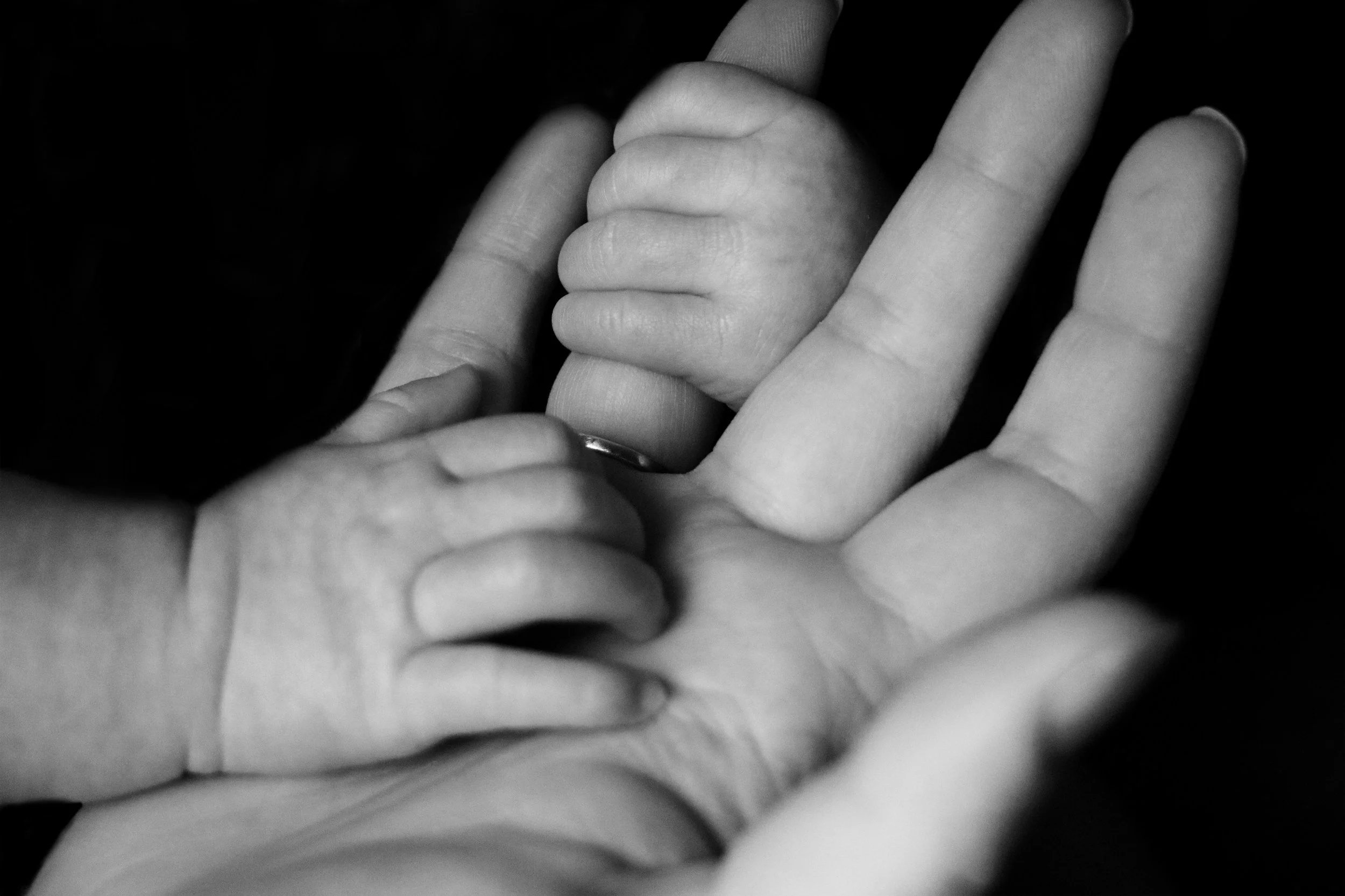
I found some of that understanding in communities of parents raising children with CF and other medical conditions.
There was something incredibly meaningful about connecting with parents who could hold two realities at once: the immense joy of having their children and the grief, fear, and uncertainty that accompanied their medical experiences. There were mothers within these communities that celebrated the arrival of my son rather than treating his diagnosis as a reason to mourn his existence. That perspective helped me begin to understand that a medically complex diagnosis and a beautiful experience of parenthood can coexist.
This experience has shaped the kind of work I want to pursue as a therapist.
Who I Want to Work With:
I want to work with parents and caregivers of medically complex children, including those navigating chronic illnesses, rare genetic conditions, congenital conditions, and other diagnoses that bring ongoing medical needs and uncertainty into family life.
I want to recognize that these mothers are not simply caregivers managing medical responsibilities. They are mothers, partners, individuals, and people with identities, relationships, hopes, and needs that exist beyond their child’s diagnosis.
Sometimes the emotional weight of medical parenthood becomes difficult to communicate to others. Parents may feel misunderstood, isolated, or hesitant to express emotions that seem contradictory. They may experience profound gratitude for their child while simultaneously grieving the medical challenges their child faces. They may feel hopeful about the future while being afraid of what it holds. They may love their lives as parents while wishing certain aspects of their reality were different.
I want mothers to know that these experiences are welcome in the therapeutic space. They do not have to choose which emotions are acceptable to express.
Why This Population Matters to Me:
My interest in this population is both professional and personal.
Becoming a mother has taught me things about love, vulnerability, uncertainty, and the fragility of life that I could not have learned through education alone. It has also shown me how important it is for parents to have spaces where they can express the full complexity of their experiences without feeling dismissed, pitied, or pressured to find the positive in every circumstance.
One of the things I have come to understand is that grief and joy are not mutually exclusive. Parents can grieve the medical challenges their children experience without grieving the fact that they became parents. They can be devastated by what a disease may mean for their child while remaining incredibly grateful for the opportunity to raise that child.
I also recognize that the experience of raising a medically complex child is not universal. My understanding of cystic fibrosis does not mean I automatically understand the experience of raising a child with epilepsy, a congenital heart condition, or another rare disease as there are many that exist. Every medical experience carries its own challenges, and every family has its own story.

My lived experience informs my work, but it does not replace the importance of listening, learning, and remaining curious about the individual experiences of the families I encounter.
Ultimately, I want to offer something I found myself searching for:
a place where parents can feel understood without having to make their experiences easier for someone else to hear.

Written by Kayla Allen, MSW, CSW
She specializes in supporting Parents of Medically Complex Children, here at Danielson Therapy Group.