Caring for a child with complex medical needs can bring experiences that are difficult to put into words, let alone explain to someone who hasn't lived them.
I believe caregivers deserve a therapeutic space where those experiences can be explored openly, without judgment or the pressure to make them more comfortable for others to hear.

I envision an integrative, trauma-informed approach that recognizes the emotional, relational, and psychological complexities of medically complex parenthood.
Several therapeutic frameworks are particularly relevant to the work I pursue.
Person-Centered Therapy
I want the therapeutic relationship to be grounded in empathy, acceptance, authenticity, and curiosity.
Parents should not feel that they need to defend their emotions, explain their parenting decisions, or demonstrate resilience to receive understanding. A person-centered approach allows parents to be met where they are rather than where someone believes they should be emotionally.
Trauma-Informed Care
Medical experiences can involve frightening diagnoses, procedures, hospitalizations, repeated uncertainty, and experiences in which parents feel they have little control.
A trauma-informed approach recognizes the potential impact of these experiences while prioritizing emotional safety, collaboration, empowerment, and choice. I want to be mindful that what appears to be anxiety, hyper-vigilance, or difficulty relinquishing control may have developed in response to genuinely unpredictable circumstances.
Attachment-Based and Family Systems Approaches
A child’s medical needs can influence family relationships, parenting roles, partnerships, and the emotional experiences of siblings. I want to support parents in maintaining meaningful connections within their families while recognizing how medical responsibilities can shift family dynamics.
I am particularly interested in helping parents preserve the parent-child relationship beyond the demands of medical caregiving.

Ambiguous Loss and Chronic Sorrow
These concepts offer an important lens for understanding grief that does not necessarily have a clear ending.
Parents may grieve the uncertainty surrounding their child’s future, the loss of previously imagined experiences, or the ongoing challenges their child may encounter. This grief can resurface during developmental milestones, medical changes, or unexpected reminders of the differences in their child’s experience. I want to create space for this grief without assuming it needs to be resolved or eliminated.
Acceptance and Commitment Therapy (ACT)
ACT offers tools for developing psychological flexibility and learning to live meaningfully alongside difficult thoughts and emotions.
For parents navigating ongoing medical uncertainty, the goal may not be to eliminate fear but to develop a different relationship with it.
I am interested in helping parents identify their values, reconnect with meaningful experiences, and make room for the life they want to live alongside the realities they cannot control.
Eye Movement Desensitization and Reprocessing (EMDR)

With my EMDR training, I am also interested in how trauma-focused interventions may support parents who have experienced distressing medical events, frightening hospitalizations, or other experiences that continue to affect their emotional well-being. These interventions would be considered individually, based on clinical assessment, readiness, and the parent’s goals.
Internal Family Systems (IFS)
Parents may find themselves navigating different parts of themselves that hold fear, grief, anger, guilt, responsibility, and hope.
For example, one part may feel constantly responsible for anticipating medical complications and protecting their child, while another part longs to experience the ordinary joys of parenthood without the constant presence of medical uncertainty. A part may grieve the future they once imagined, while another holds onto hope and the desire to imagine new possibilities.
Rather than viewing these emotional experiences as contradictory or problematic, IFS offers an opportunity to approach them with curiosity and compassion. I am interested in helping parents understand the protective roles these parts may have taken on, recognize the needs and experiences they carry, and develop a more compassionate relationship with themselves.
I also believe this approach can help parents recognize that they can experience fear without allowing fear to define their entire parenting experience. The goal is not to silence the parts that worry, grieve, or anticipate danger, but to better understand them and develop greater internal balance and self-compassion.
The Kind of Space I Hope to Create
Above all, I want to create a therapeutic space where parents do not feel that their child’s diagnosis overshadows their child’s personhood or their own identity as a parent.
I want parents to be able to talk about the difficult days, the treatment battles, the fear surrounding medical appointments, and the uncertainty of the future. I also want them to be able to talk about their children’s personalities, milestones, interests, and the ordinary moments that make up childhood.
I want parents to have permission to cry without being told they need to be strong, to express anger without being judged, and to experience joy without feeling guilty.
I don’t believe my role is to convince parents that everything will be okay or that they should learn to see their circumstances differently. I believe my role is to offer a space where their experiences are taken seriously, their emotions are welcomed, and they can explore what it means to build a meaningful life within the circumstances they have.
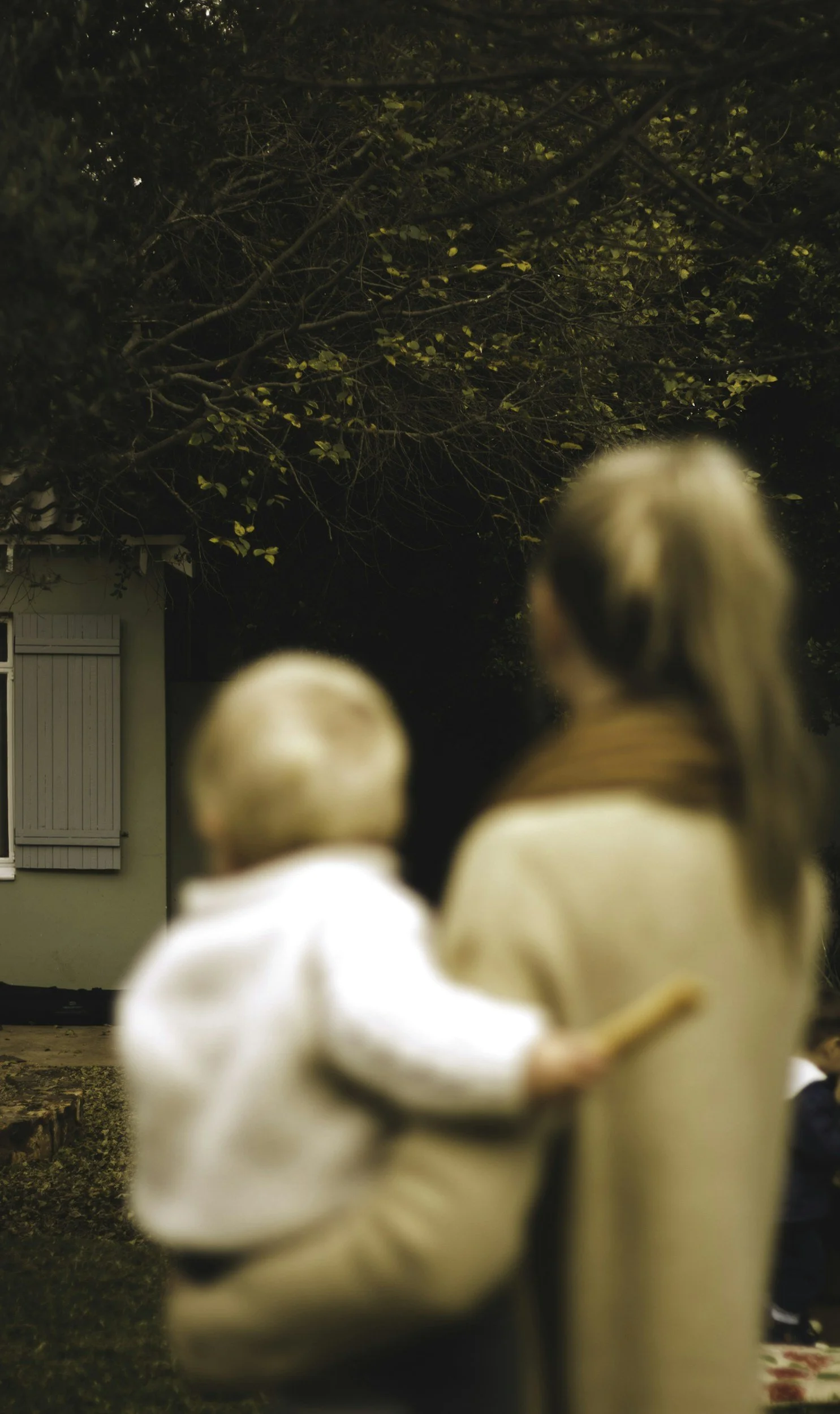
Raising a medically complex child is hard, but it is also pure. There is extraordinary love in the experience of raising a child whose life requires so much attention and care.
I don’t want the medical complexities to overshadow the beauty of that relationship. I want parents to recognize that they can acknowledge the difficulties of their child’s medical reality while continuing to give their children opportunities to experience childhood, connection, joy, and possibility.
My hope is that mothers who leave my therapeutic space remember that they were welcome there. That their experiences mattered. That they didn’t have to explain away their emotions or make their realities more comfortable for someone else.
Most importantly, I hope they leave feeling a little more connected to themselves, their children, and the lives they are building together.
Because a child’s life is meant to be lived and loved, not simply managed or feared.

Written by Kayla Allen, MSW, CSW
She specializes in supporting Parents of Medically Complex Children, here at Danielson Therapy Group.